 STILLWATER ROACH
Duncan Charman
A two-pound roach to many is
classified as a fish of a lifetime, however choose the right venue, get your
tactics right and put in some extra effort into each session and such a fish
could just grace your landing net sooner than you think.
Anglers Mail blogger, Nash
Ambassador and Angling Guide Duncan Charman recently put all his knowledge to
good use in what was supposed to be a campaign that might continue right
through the winter, however his search for the two-pounder has now become a
search for that exclusive three, read on.
Image 1 – In most cases a two-pound
roach comes after careful planning and plenty of hours on the bank, but not on
this occasion.
Venue choice.
Before explaining the events of
my first session in search of such a fish, let’s look at my thoughts leading up
to the eventful night. The venue, one that I’m extremely familiar with, isn’t
one that gets roach fished that much, however every now and again a big roach
accidentally gets caught, usually on a boilie intended for carp. These captures
are rare, yet every time it does happen the reports are that the fish was big,
but unfortunately as it’s not the species intended, goes un-weighed. Making a
mental note of such captures isn’t enough for me, as I will forget them, so I
always write these down under species name and then when I feel ready to target
a certain species simply refer to these. Now I’ve been fortunate to land roach
almost twice the size of my latest challenge and have fished venues such as willow
Lake on the Lynch Hill complex when it was in its prime, yet a two pound roach
nowadays isn’t an easy target and in most cases needs to be planned with some
serious thought. Knowing that one of my local venues had thrown up a few big
roach in the past started to ignite my imagination, the time seemed perfect and
even though I knew my target existed, just how big did they grow? It was time
to make a start and find out.
Personal roach
captures.
Now some
may think it’s strange that if I’ve extensively fished this lake, for more than
a decade, then why haven’t I caught roach by accident whilst targeting other
species, namely tench? The answer is simple; tench are predominately daytime
feeders, as opposed to roach that are very nocturnal. Roach tend to start
showing later in the year when the water temperature drops, a period that sees my
previous chosen species slowing down and a time when usually I’m not there.
Roach are also very fussy on what they eat and where plastic baits have almost
taken over as my hookbait when targeting tench, roach tend to like the real
deal, live maggots. Put all these factors together and its seems perfectly
understandable why a few roach haven’t come my way!
 Image 2 – Plastic maggots/casters do
work but you need to put lots of loose feed maggots around and get some
competition going between the fish. They also work when small nuisance fish are
around but when feeding sparingly there is nothing better than the real thing.
Image 2 – Plastic maggots/casters do
work but you need to put lots of loose feed maggots around and get some
competition going between the fish. They also work when small nuisance fish are
around but when feeding sparingly there is nothing better than the real thing.
The session, changes made during and reasons why.
A new campaign for me means
catching my target species if possible during my first session irrespective of
size. Even if it’s just a few ounces then this would be classified as a result
that can be built on over the next few sessions and having caught so few in the
past, any would mean enjoying a glass of red whilst tweaking plans for future
visits.
Maggots burying,
rubbish!
One thing I
think is worth pointing out is contrary to what other anglers say, when maggots
crawl out of a feeder they don’t bury themselves out of reach of fish, they
simply move around six inches either side of the feeder before moving no more.
Yes, they may crawl under the odd decaying leaf or dead weed yet just like a
Robin will locate a maggot under a leaf in your swim, a fish will do the same.
If you want to see this simply fill a spare feeder, drop it in the margins of a
clear lake and watch. It will let you know what’s happening around your feeder
after casting out.
 Image 3 – If you want to know what’s
exactly happening around your feeder after you have cast out then try dropping
one in the margins and watching.
Image 3 – If you want to know what’s
exactly happening around your feeder after you have cast out then try dropping
one in the margins and watching.
Wind direction.
The autumnal fall was well and
truly underway as I arrived at the lake with just an hour to spare till
darkness descended. Spending time choosing a swim wasn’t an option; however
this is where knowledge of the venue and watercraft plays a massive part in
success and failure. The wind was from an undesirable east, yet it was on the
change and in less than twenty-four hours would be blowing in warm from the
south west. If I had arrived a day earlier then I would have positioned myself
towards the south-west corner, yet this area gets rarely fished so knowing this
did play a massive part in why I choose to ignore it. Instead I went against
all my watercraft and decided to fish with the easterly off my back, why, let
me explain? Firstly if I’m warm then the water in front of me will be slightly
warmer than the rest of the lake. These swims also see lots of other anglers
frequenting them during daylight hours and this means that they have a constant
introduction of food and as it still wasn’t really cold my thoughts were that
this food may have kept a number of fish in front of them. I also thought that
as the wind had been from the east for over a week these fish may well have not
fed heavily for a while and maybe, just maybe were ready to take advantage of
the changing conditions and go on the feed. My only negative thought was that I
was that the area chosen was in the shallowest
area of the lake and already having had a few frosts may well have seen the
fish move into deeper water? It was a risk, but a risk worth taking, as if come
the morning my efforts had gone unrewarded then I could almost tick this area
of my list come future visits. The one thing that I was however going to do was
to fish much further out than what I would normally do, the reason behind this
was that if the fish were still here then the easterly wind that had been with
us for a week or more may well have pushed the fish further from the bank and
off the back of the wind.
 Image 4 – Looking across the lake at
dusk often determines how much food I will introduce. Lots of fish moving means
lots of food, little movement means edge on the side of caution.
Image 4 – Looking across the lake at
dusk often determines how much food I will introduce. Lots of fish moving means
lots of food, little movement means edge on the side of caution.
Feed and feed application.
The amount of feed introduced at
the start of each session is one that should be thought long and hard about, well
in advance in fact, along with just
before casting out. Time of year, amount of fish the water contains, weather
conditions all pay a part in deciding how much feed to introduce, however all
these premade plans could be thrown out of the window simply by taking time to
look across the lake and watching for fish movement on arrival, something that
so many anglers fail to do. If I had arrived and saw fish moving all over the
place then I would have no problem getting the spod out and filling it in, yet
if I saw no fish then would always introduce feed on a little and often basis.
This evening was one of those which saw very few fish showing apart from carp
at distance, but this at least this told me that fish were active and were
probably feeding, as in my mind moving fish are feeding fish! Unless fish are
really active then I prefer to feed liberally and tonight felt that four spod
loads of particles, mainly hemp and maggots would be enough for each rod. This
amount was what I felt enough to get a few fish interested and feeding but not
too much to place the odds of a fish picking my hookbait up as very slim.
The way I tend to introduce feed
is different to most as I like to actually use the rods I’m fishing with to tie
on my spod (I hate Spombs) and cast out. This may take longer, than that when
using a separate rod, but it gives me the confidence that when I remove the
spod and replace with my feeder and hooklink that I’m bang on the money every
time.
Image 5 – All I feed when targeting
roach are maggots and hemp which I deposit using a Gardner Pocket Rocket. A
word of warning – only mix maggots with hemp immediately before spodding out as
left over any amount of time and the maggots will take on the oil, become
buoyant and float!
Baiting process.
The first thing that I do when I
think of baiting up is to look out into the swim and choose a far bank marker
that will stand out after dark that can be cast too (this lake is fairly
uniformed with no noticeable underwater features so it’s a case of creating
your own feeding zone). Next job is to fill the feeder to be used with
groundbait, as this gives a true casting weight, and then cast out. If the cast
is smooth and an acceptable distance is achieved then the mainline is placed
within the reels line clip before a reference mark in the form of an
elasticated stop-knot is tied just off the clip. The feeder is then retrieved,
replaced with a small Gardner Pocket Rocket, filled with bait and recast making
sure the line clip is hit each time. After four casts replace spod with feeder,
tie on a hooklink and cast out. Repeat with second rod.
Image 6 – Casting after dark comes
with its own problems so make sure that you make a mental note of a far bank
marker, such as a higher tree on the far bank that will stand out after
darkness that can be cast too.
Image 7 – Top Tip – If you find that
the pole elastic hinders your cast then tie it next to the reels line clip and
position it here every time before casting. Religiously do this and you will
never suffer from a stutter cast again?
Image 8 – Its all well and good
casting to a far bank marker after dark but landing the feeder at the same
distance every time also needs to be addressed. This is where a stop-knot made
from pole elastic will help.
Accuracy is so
important.
If I were not to clip up and
mark up then I wouldn’t feel that I was fishing properly. I know that getting
into such a methodical casting routine isn’t easy, but if you keep doing it
then, believe me, one day you will find yourself doing it as a matter of
course. I need to know that when I bait up and cast out that I have done everything
possible to stack the odds in my favour that if a hungry fish enters my swim
then it will find my hookbait and become hooked. Confidence plays a massive
part in catching consistently so pay attention to detail and do everything
possible to get things right.
Casting!
Without going into too much
detail, casting accurately is what I would say stops many anglers catching more
fish. Most anglers that know they struggle with casting simply continue to
struggle as they don’t practice. Just like a golfer heads to the driving range
to improve, if more anglers headed to a their local lake or even a playing
field, placed a dustbin lid at say sixty yards then, clipped up and stated
casting to it would soon see a massive improvement.
First cast settles
the nerves.
Having
baited up and cast out it was time to sit back and wait, yet it didn’t take
long for the alarm to sound and the spool to spin. All the way to the net I
thought that the culprit was a big roach but it wasn’t to be as a lethargic
common carp around three-pounds slid over the drawstring. Although I was after
roach, I certainly wasn’t disappointed at this rude intruder as my aim at the
start of a session is to get a fish, any fish feeding on my spot as once one
starts, others, hopefully roach will follow as fish are curious creatures and
will be sure to investigate any area of water that clouds up.
Fishing hard.

Working by
day and fishing by night mean that sleep is needed at some point, so it’s
important that a schedule is draw up and that the rigs used are created to
self-hook your quarry. I had decided that I would fish hard till 11pm, even if
the fish weren’t feeding, and then hopefully get some sleep before setting the
alarm for an hour or two before dawn and fishing hard again for a further three
hours. This would give me, what I felt was the best chance of a fish or two.
Fishing hard means casting every twenty minutes without fail as this not only
keeps the swim topped up but I also find that bites often come soon after a
recast.
Image 9 – The Helicopter rig shown
here next to a maggot feeder yet to empty. Notice the hookbait sitting close by
which will surrounded by lots of freebies after just a few minutes.
Self- hooking rigs.
The
helicopter rig needs little introduction and it was these that I choose to use
as the short three inch hooklink makes it a self-hooking rig. A hooklink made
from 5.14lb Reflo line, one with a Drennan Super-Specialist size 16
micro-barbed hook at one end tied knotless knot style and a tiny Nash Micro Swivel
covered by a Nash Micro Hook Sleeve on the other is trapped on the mainline (6lb
Gardner HydroFlo) between two float stops. To the end of the mainline I
initially tied on a Drennan 25gram Gripmesh feeder, however this was to be
replaced as the night went on. On one rod I decided to use a hair-rigged fake
red maggot as this had been so productive for other species in the past and
would at least produce a few fish during the night, or so I thought! The other
rod was baited with three real red maggots.
Image 10 – If your rig is working
correctly then every fish will be hooked in the bottom lip.
The maggot sandwich.
Again this
needs little introduction but in short is where the feeder is initially plugged
at one end with groundbait before a handful of maggots are added before the
other end is again plugged with groundbait. The groundbait I decided to use was
Sonubaits FI Da
rk which I always mix up on the dry side before sieving a couple
of times. You have to work fast as the maggots will soon break through the
groundbait plugs, so on filling you need to squeeze both ends of the feeder right
up until you cast. Once cast out its important not to move the feeder, just drop
the rod tip in the water, take time to sink the line before placing the rods on
alarms and attaching the bobbins. This is an area where so many anglers don’t
concentrate and end up pulling the feeder away from the feed as they place the
rod on the rests. Try and say to yourself, once you feel the feeder hit the
bottom, don’t move the feeder. By understanding this you will get into your own
routine of placing the rods on the alarms and tightening the mainline up to the
feeder without moving it.
 Image 11 – Keep the maggots
compressed within the feeder right up till the point of casting.
Image 11 – Keep the maggots
compressed within the feeder right up till the point of casting.
Image 12 – The helicopter rig next
showing the maggot sandwich and hookbait just before breaking down.
Image 13 – The maggot sandwich
emptied through the feeder. Simply irresistible to any roach.
 Additional points of
interest.
Additional points of
interest.
The rods
that I use are the ever so versatile Nash 10ft 1.75lb Scopes and the reels
Shimano 4000. I like to get my rod tips close to the lake bed if possible and
to fish the line between rod tip and feeder tight as this helps in the hooking
properties of the rig. Baitrunners are set to give line, not too easily but
enough so that if a tench rips off with the rig it won’t break the hooklink.
It’s difficult to get right initially but just like casting will come in time.
 Image 14 – 10ft 1.75lb Nash Scope
rods, extremely versatile and ones that I use almost extensively now for all my
specimen coarse fishing.
Image 14 – 10ft 1.75lb Nash Scope
rods, extremely versatile and ones that I use almost extensively now for all my
specimen coarse fishing.
Image 15 – Keep a tight line from
rod tip to feeder, have the slightest angle of drop on your bobbin, set your
freespool tight but not to tight and keep the rod tips as close to the bottom
of the lake if possible as all these small things will help in the hooking
properties of the rig.
Up till 11pm.
Well after the carp first cast
the rod fished with the live maggots continuously produced fish. Most were rudd
off around 12oz along with a super sized gudgeon, however one roach of around
1lb 4oz meant that I could indulge in a glass of red the following evening. The
strange thing was that even though the rod with the fake maggot was recast
every twenty-minutes not a single bleep came to it.
Time to slow things
down and get some kip.
At 11pm I decided that I would
swap the live maggot rod with a fake maggot as I needed some sleep. This worked
a treat but as I lay half asleep on my bed chair I couldn’t help thinking that
I was here to catch fish and that by using fake maggots was avoiding fish. Time
for a rethink so at 1am it was off with the cage feeders and on with Drennan
22gram Feeder Bombs as I thought this would place more real maggots around my
hookbait, create some competition and hopefully a fish or two would be landed,
wrong!
Image 16 – Keep your mind open and
don’t be afraid to change from a groundbait feeder to a maggot feeder if you
think it will catch you more fish.
3am onwards.

Although asleep my mind was
working overtime. I knew I had fish in my swim, but the fake maggots weren’t
getting any interest so at 3am I decided to change both hookbaits back to real
maggots. Straight away the rods started to produce but instead of 12oz rudd
came quality roach to over the pound and then at 3.50am I hooked what felt like
a really decent fish. Playing roach on such small hooks isn’t fun, all you do is
slowly draw them towards you making sure that the backwind is on and the clutch
is slackened right off. After a few minutes a roach, I knew was close to my
target, lay in the folds of the landing net and once on the scales pulled the dial
round to 2lb 1oz. If that wasn’t enough more roach followed including fish of
1lb 12oz and 1lb 14oz and then at first light they simply disappeared as if
they weren’t there. The bobbins still called for my attention but every time it
came from a daytime feeder, tench.
 Image 17 – Dawn came and after a
hectic night landing numerous quality roach they disappeared, however the tench
then arrived.
Image 17 – Dawn came and after a
hectic night landing numerous quality roach they disappeared, however the tench
then arrived.
Image 18 – Top Tip – For years I
tied my hooks on using a six turn blood knot, however the hook holds that a hook
tied on knotless knot style are far superior.
Conclusion.
I have to admit that I returned
home somewhat gobsmacked at the amount of roach that were present in a lake
that I thought I knew inside out! Just by fishing at the wrong time of year,
using the wrong bait and only doing daytime sessions meant that I had
overlooked what could turn out to be something very special indeed.
Will keep you posted!
 Duncan Charman is
sponsored by Nash Tackle and Bait and has his own website www.duncancharman.co.uk He regularly
contributes to top weekly, Anglers Mail magazine.He is also an angling guide
and can be booked on a daily basis for most species including carp, pike,
perch, zander, chub, barbel, bream, grass carp, crucians, roach, rudd,
grayling, tench and golden orfe. For more information and prices email him at duncancharman@me.com or give him a call 07928 617006 /
01252 315271.
Duncan Charman is
sponsored by Nash Tackle and Bait and has his own website www.duncancharman.co.uk He regularly
contributes to top weekly, Anglers Mail magazine.He is also an angling guide
and can be booked on a daily basis for most species including carp, pike,
perch, zander, chub, barbel, bream, grass carp, crucians, roach, rudd,
grayling, tench and golden orfe. For more information and prices email him at duncancharman@me.com or give him a call 07928 617006 /
01252 315271.
He’s also written a
book called Evolution of an Angler which is available from www.calmproductions.com


 Being
creative and using more advanced settings on the camera come with time and
experience so my advice when starting out is to set the camera to what I call
‘idiot mode’. On Canon cameras this is usually a green square and what the
camera does is simply set the camera settings for you so that a good quality
image is taken.
Being
creative and using more advanced settings on the camera come with time and
experience so my advice when starting out is to set the camera to what I call
‘idiot mode’. On Canon cameras this is usually a green square and what the
camera does is simply set the camera settings for you so that a good quality
image is taken. 
 Look
through the camera eye piece and focus on the towel. Whilst doing this it’s
also a good to imagine the final image, you holding the fish, so try and zoom
in or out so that the final image will be acceptable. Focussing on most cameras
will be achieved by seeing a red square flash on the towel. When you are happy
with the focussing it’s very important to switch the camera’s focusing switch
to Manual as this locks the focal point on the towel. Failure to do this will
only cause problems and this is the most common reason why images are out of
focus, as if not locked it allows the camera to refocus when the self-take
button is pressed.
Look
through the camera eye piece and focus on the towel. Whilst doing this it’s
also a good to imagine the final image, you holding the fish, so try and zoom
in or out so that the final image will be acceptable. Focussing on most cameras
will be achieved by seeing a red square flash on the towel. When you are happy
with the focussing it’s very important to switch the camera’s focusing switch
to Manual as this locks the focal point on the towel. Failure to do this will
only cause problems and this is the most common reason why images are out of
focus, as if not locked it allows the camera to refocus when the self-take
button is pressed.
 With
everything set, lean forward and press the self-take button. A yellow timer
switch will then flash and just as the photo is about to be taken stay on
constantly. My camera is set for ten seconds as any quicker and it will mean
rushing and making a mistake.
With
everything set, lean forward and press the self-take button. A yellow timer
switch will then flash and just as the photo is about to be taken stay on
constantly. My camera is set for ten seconds as any quicker and it will mean
rushing and making a mistake.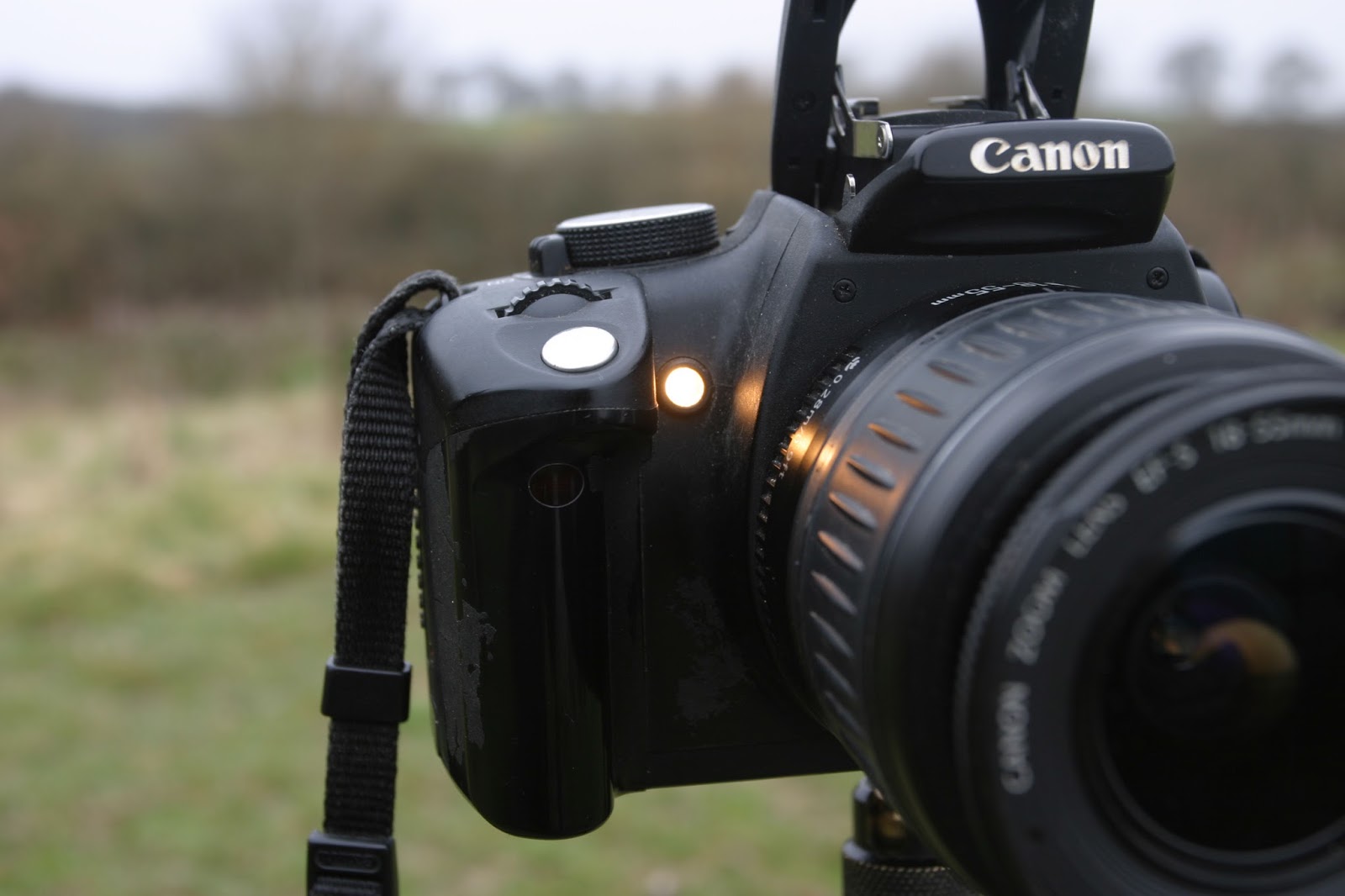
 This is
where experience helps and always remember that you are not looking for the
perfect image just an acceptable image of your catch. Its far better to take an
image that’s zoomed out, one with plenty of area surrounding you and the fish
as this can then be cropped back at home on your computer.
This is
where experience helps and always remember that you are not looking for the
perfect image just an acceptable image of your catch. Its far better to take an
image that’s zoomed out, one with plenty of area surrounding you and the fish
as this can then be cropped back at home on your computer.


 Simply
lift the fish on the same access as the edge of the mat (where the bankstick
and towel was positioned) and smile. Take three, maybe four shots before returning
the fish to the lake (still in your landing net).
Simply
lift the fish on the same access as the edge of the mat (where the bankstick
and towel was positioned) and smile. Take three, maybe four shots before returning
the fish to the lake (still in your landing net).  13 –
RELEASE TIME.
13 –
RELEASE TIME.
 If you do
find that your images are out of focus then it means that one or another of the
above points hasn’t been followed. Take your time, practice as much as possible
and slowly the whole procedure will become second nature. Once you are
competent then you can move on to taking night time shots or progressing into
using the creative settings on the camera, however always remember that the
fish’s welfare is paramount and far more important than the perfect picture.
If you do
find that your images are out of focus then it means that one or another of the
above points hasn’t been followed. Take your time, practice as much as possible
and slowly the whole procedure will become second nature. Once you are
competent then you can move on to taking night time shots or progressing into
using the creative settings on the camera, however always remember that the
fish’s welfare is paramount and far more important than the perfect picture. 


